
Why Use Video for Feedback: Complete Guide
Why use video for feedback? Discover key benefits, best practices, real-world use cases, and mistakes to avoid in this comprehensive guide.
Kunal
Author
Why Use Video for Feedback: Complete Guide
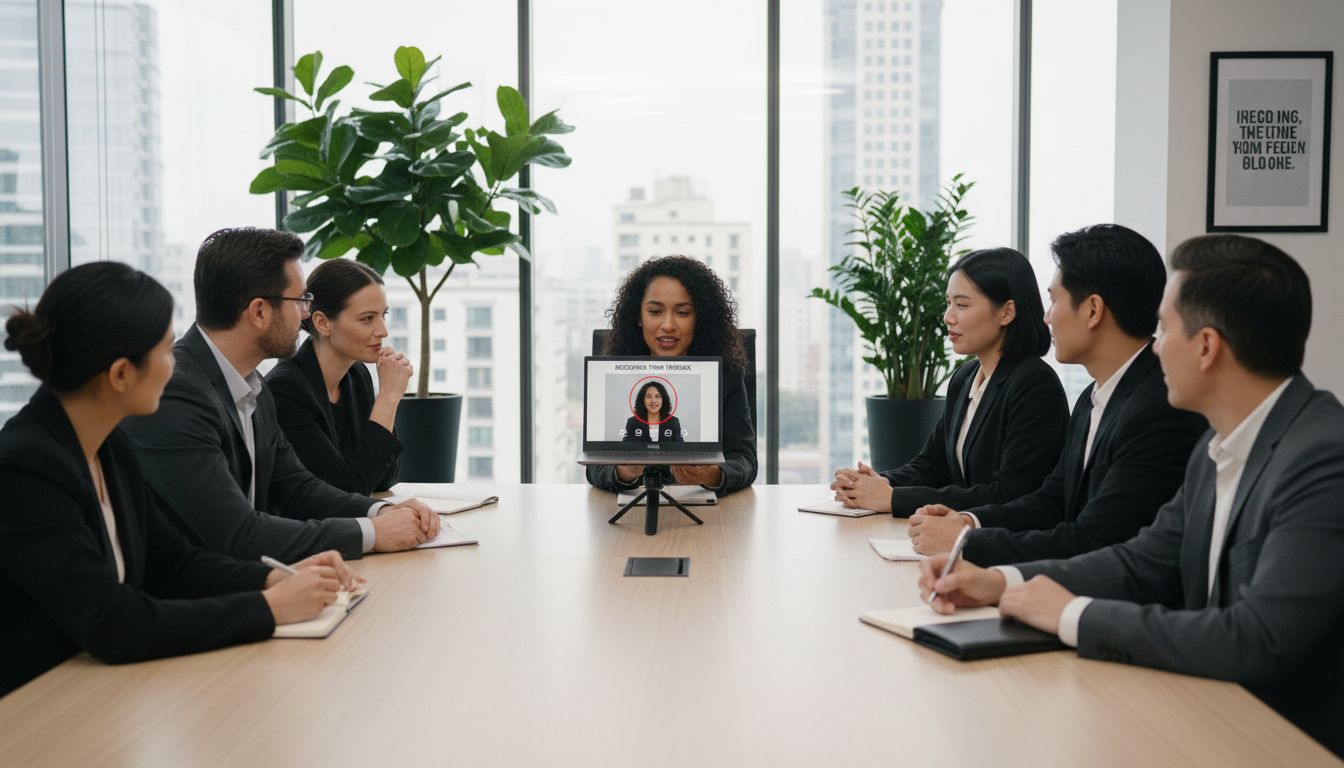
Most american professionals now rely on video feedback to refine their skills and improve communication at work. With over 80 percent of educators reporting positive outcomes from video-based review sessions, this method is reshaping how feedback is delivered across classrooms and boardrooms. As organizations seek more meaningful ways to boost performance and foster growth, understanding the core concepts and benefits of video feedback offers a valuable edge in today’s fast-changing world.
Table of Contents
Key Takeaways
| Point | Details |
|---|---|
| Video Feedback Enhances Learning | Recorded interactions provide visual context for objective analysis, supporting personal and professional growth. |
| Benefits Over Traditional Methods | Video feedback improves clarity, reduces misunderstandings, and facilitates detailed performance insights. |
| Async Video Feedback Advantages | Flexible and contextually rich, async video feedback fosters better engagement and retention compared to written or live methods. |
| Best Practices for Effectiveness | Successful video feedback requires careful planning, technical quality, and a supportive communication style to drive understanding. |
Defining Video Feedback and Core Concepts
- Defining Video Feedback And Core Concepts
- Key Benefits Of Video-Based Feedback
- Use Cases Across Teams And Roles
- Comparing Async Video With Written Or Live Feedback
- Best Practices For Effective Video Feedback
- Common Mistakes And How To Avoid Them
Video feedback represents a powerful communication technique where recorded interactions are reviewed and analyzed to facilitate learning, improvement, and deeper understanding. Unlike traditional verbal feedback methods, video feedback provides a visual and contextual record that allows individuals to observe their behavior, communication patterns, and performance with greater objectivity.
According to Wikipedia, Video Interaction Guidance (VIG) is a specialized intervention where a professional "guider" helps clients enhance communication within relationships by systematically analyzing and reflecting on video clips of their own interactions. This approach transforms passive feedback into an interactive, self-reflective learning experience that goes beyond mere verbal critique.
In professional contexts like education and training, video feedback serves multiple critical purposes. Wikipedia highlights microteaching as a prime example, where educators record their teaching sessions to review and receive constructive feedback. This method allows professionals to:
- Identify subtle communication nuances
- Recognize nonverbal communication patterns
- Analyze teaching or presentation techniques objectively
- Track personal performance improvement over time
- Develop more effective communication strategies
Effective video feedback transcends simple recording and playback. It involves a structured approach of observation, reflection, and targeted improvement. By providing visual context and allowing repeated review, video feedback enables individuals to gain insights that might be missed in real-time interactions, ultimately driving personal and professional growth.
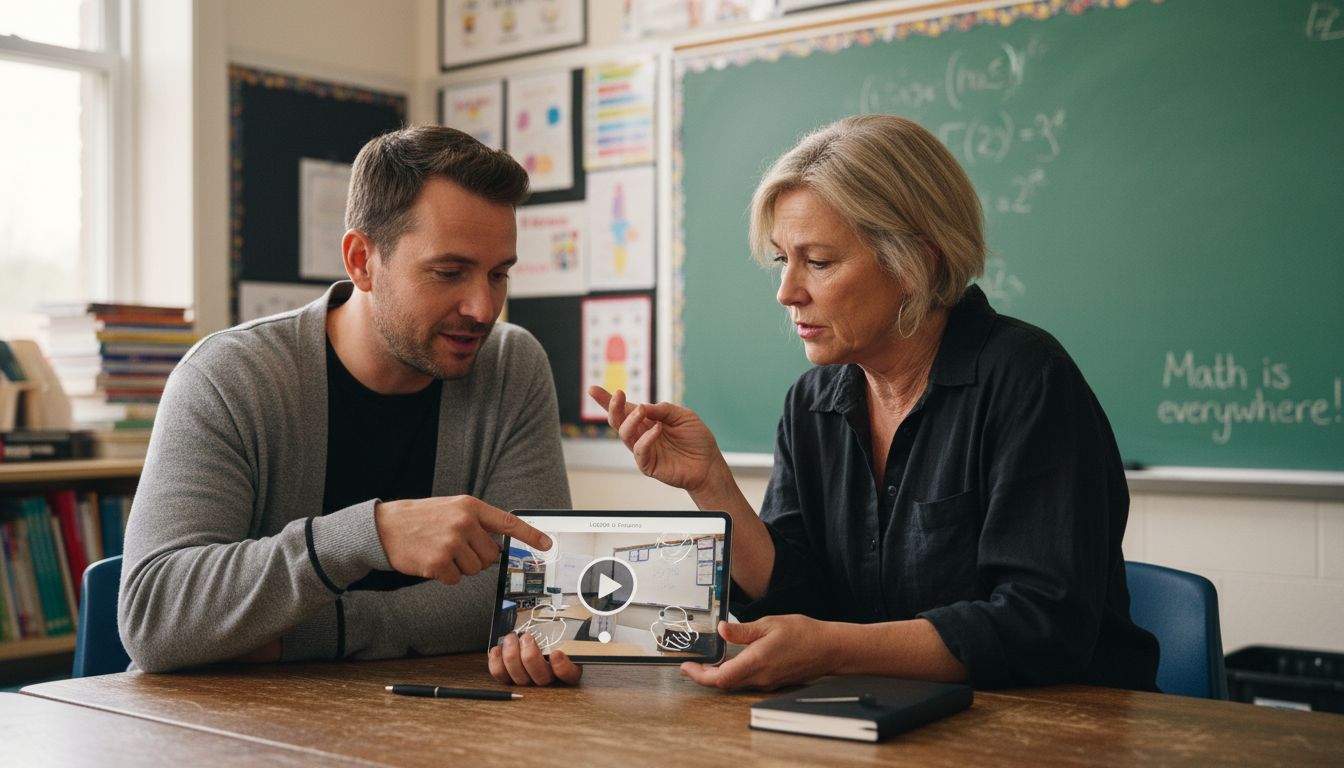
Key Benefits of Video-Based Feedback
Video-based feedback transforms traditional communication methods by providing a rich, nuanced approach to understanding performance and interactions. Unlike text or verbal feedback, video feedback offers a comprehensive visual narrative that captures details often missed in conventional communication channels.
According to University of Lethbridge, video feedback uniquely conveys body language and tone, ensuring messages are received exactly as intended. This visual context helps foster more positive relationships and significantly enhances learning experiences across professional and educational environments.
The key benefits of video-based feedback include:
- Enhanced Clarity: Visual demonstrations provide crystal-clear context
- Objective Analysis: Allows reviewers to observe interactions without immediate emotional response
- Detailed Performance Insights: Enables frame-by-frame examination of communication techniques
- Personal Growth Tracking: Creates a tangible record for continuous improvement
- Reduced Misunderstandings: Minimizes potential communication gaps
Moreover, video feedback bridges communication gaps by transforming abstract verbal critiques into concrete, observable experiences. Learn more about video communication methods to understand how visual feedback can revolutionize professional and personal interactions. By providing a multi-dimensional view of performance, video feedback empowers individuals to recognize subtle nuances, refine skills, and develop more effective communication strategies.
Use Cases Across Teams and Roles
Video feedback has emerged as a transformative tool across diverse professional landscapes, providing unprecedented insights and communication opportunities for teams and individuals in various sectors. Its versatility allows organizations to leverage visual communication in ways that transcend traditional feedback mechanisms.
Naval Postgraduate School highlights the critical role of video feedback in educational settings, demonstrating how personalized and timely visual feedback can dramatically enhance student engagement and learning outcomes. Beyond academic environments, this approach has significant implications for professional development across multiple domains.
In specialized fields like healthcare, video-based learning proves particularly powerful. Medical Education Journals reveal that video feedback is instrumental in enhancing clinical skills, communication techniques, and overall professional training. Different professional sectors leverage video feedback uniquely:
- Healthcare Professionals:
- Clinical skill assessment
- Communication technique refinement
- Patient interaction analysis
- Educators:
- Teaching method evaluation
- Classroom interaction review
- Pedagogical skill development
- Sales and Customer Service:
- Communication strategy analysis
- Performance improvement tracking
- Customer interaction review
- Management and Leadership:
- Leadership communication assessment
- Team interaction analysis
- Presentation skill enhancement
Explore video communication strategies to understand how different teams can implement these transformative feedback techniques. Video feedback represents more than a technological tool—it's a powerful mechanism for continuous personal and professional growth across diverse organizational contexts.
Comparing Async Video With Written or Live Feedback
Async video feedback represents a revolutionary approach to communication, offering distinct advantages over traditional written and live feedback methods. Unlike static text or time-constrained live interactions, async video provides a dynamic, flexible, and contextually rich communication experience that adapts to modern professional and educational needs.
Western Sydney University Researchers conducted a compelling study revealing that video comments led to successful revisions 88% of the time, compared to just 77% for written comments. This significant difference highlights the superior effectiveness of visual feedback in driving meaningful improvements and understanding.
The key comparative advantages of async video feedback include:

- Flexibility:
- No scheduling constraints
- Review content at personal convenience
- Pause, rewind, and revisit feedback
- Clarity:
- Visual and audio context
- Demonstrates exact communication nuances
- Reduces misinterpretation risks
- Retention:
- More engaging than text
- Supports multi-sensory learning
- Easier to remember and internalize
Edutopia emphasizes that screencast feedback enables recipients to refer back to content as needed, providing unprecedented clarity and efficiency. Explore comprehensive async video communication strategies to understand how this approach can transform your professional interactions. Async video isn't just a communication method—it's a strategic tool for enhanced understanding, engagement, and personal growth.
Best Practices for Effective Video Feedback
Video feedback has transformed from a novel communication technique to a strategic approach requiring careful planning and execution. Successfully implementing video feedback demands more than just recording a message—it requires intentional design, clear communication, and a deep understanding of audience engagement.
Emerson University highlights the power of incorporating video feedback, particularly emphasizing formats like voice-over screencasting that allow for comprehensive demonstrations and in-depth explanations. This approach enables communicators to provide nuanced, visual context that traditional feedback methods cannot achieve.
The core best practices for creating impactful video feedback include:
- Preparation:
- Script key points beforehand
- Define clear objectives
- Organize thoughts strategically
- Ensure professional background
- Technical Quality:
- Use clear audio
- Maintain good lighting
- Choose high-resolution recording
- Minimize background distractions
- Communication Style:
- Speak conversationally
- Maintain professional tone
- Show genuine engagement
- Use positive, constructive language
Naval Postgraduate School emphasizes that effective video feedback must be personalized, timely, and constructive. Discover techniques for optimizing video presentations to elevate your communication strategy. Remember, great video feedback is not just about delivering information—it's about creating a meaningful, supportive interaction that drives genuine understanding and improvement.
Common Mistakes and How to Avoid Them
Video feedback can quickly become counterproductive when fundamental communication principles are overlooked. Understanding and mitigating common pitfalls is crucial for creating meaningful, effective video interactions that genuinely support learning and professional development.
ArXiv Research reveals an intriguing insight about feedback dynamics, noting that real-time interventions can potentially reduce conversation spontaneity while simultaneously creating opportunities for more expressive subsequent communications. This nuanced understanding underscores the importance of strategic feedback approaches.
The most prevalent mistakes in video feedback fall into several critical categories:
- Content Mistakes:
- Rambling or unfocused messaging
- Lack of clear objectives
- Overwhelming viewers with information
- Neglecting specific, actionable insights
- Technical Errors:
- Poor audio quality
- Inconsistent or distracting background
- Insufficient lighting
- Unprofessional recording environment
- Communication Missteps:
- Overly critical tone
- Generic, non-specific feedback
- Failing to demonstrate empathy
- Ignoring individual learning styles
To address these challenges, practitioners must develop a strategic approach that balances constructive critique with supportive communication. Learn advanced techniques for optimizing video presentations to transform potential mistakes into opportunities for meaningful engagement. Effective video feedback is an art form that requires continuous refinement, patience, and a genuine commitment to clear, compassionate communication.
Unlock the Power of Video Feedback with Boom
Are you struggling with unclear feedback, scheduling headaches, or missed communication details? This article highlights how video feedback provides unmatched clarity and personal growth opportunities through visual context and async flexibility. If you want to skip the frustration of endless meetings and empower your team or yourself with clear, objective, and engaging feedback, Boom is your solution.
Boom is an AI-powered async video tool designed to help you create, share, and perfect stunning, on-brand videos without scheduling a single meeting. With features like voice-to-video recording, auto-scripting, AI voiceover, and instant branding, Boom transforms your feedback into polished, memorable videos that keep your communication clear and effective. Whether you are a freelancer, remote team member, or educator, Boom saves hours and helps you earn your time back one video at a time.
Bring your feedback process into the future today. Experience why async video feedback leads to better revisions and more meaningful growth by trying Boom yourself. Visit Boom Landing Page now to see how easy and powerful video communication can be.
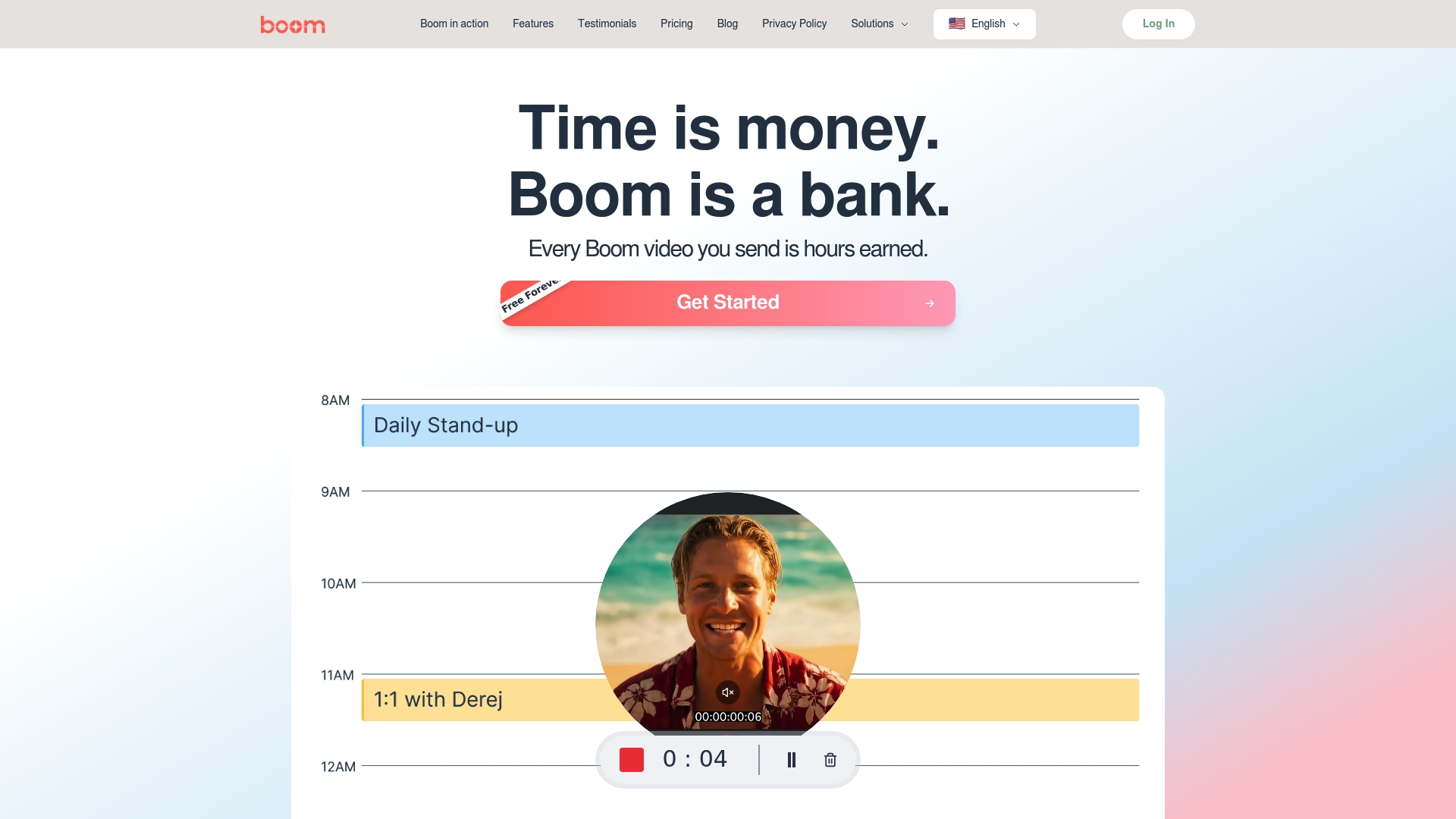
Start transforming your feedback and communication workflows right now with Boom. Visit https://boomshare.ai and discover how to ditch unnecessary meetings and amplify your impact with every video. Learn more about how to optimize video communication methods with our guides at Understanding Video Communication and explore best practices to Optimize Video Presentations.
Frequently Asked Questions
What is video feedback?
Video feedback is a communication technique where recorded interactions are analyzed to facilitate learning and improvement, providing visual context that helps individuals observe their behavior and performance objectively.
How does video feedback enhance communication?
Video feedback enhances communication by offering a visual narrative that captures body language and tone, ensuring messages are conveyed clearly, reducing misunderstandings, and allowing for detailed performance analysis.
What are the main benefits of using video feedback in professional settings?
The main benefits of using video feedback include enhanced clarity, objective analysis of communication, detailed performance insights, tracking personal growth, and minimizing potential miscommunication.
How can I use video feedback effectively in my teaching or training sessions?
To use video feedback effectively, prepare by scripting key points, ensure technical quality with good audio and lighting, communicate in a conversational tone, and focus on providing personalized, constructive feedback.
Recommended
About the Author
Kunal
Software Engineer.