
Video Reporting Explained: Async, Types, Tools, & Best Use Cases
Discover video reporting with this comprehensive guide: core concepts, key features, how async video works, top tools, and real-world use cases.
Birju
Author
Video Reporting Explained: Async, Types, Tools, & Best Use Cases
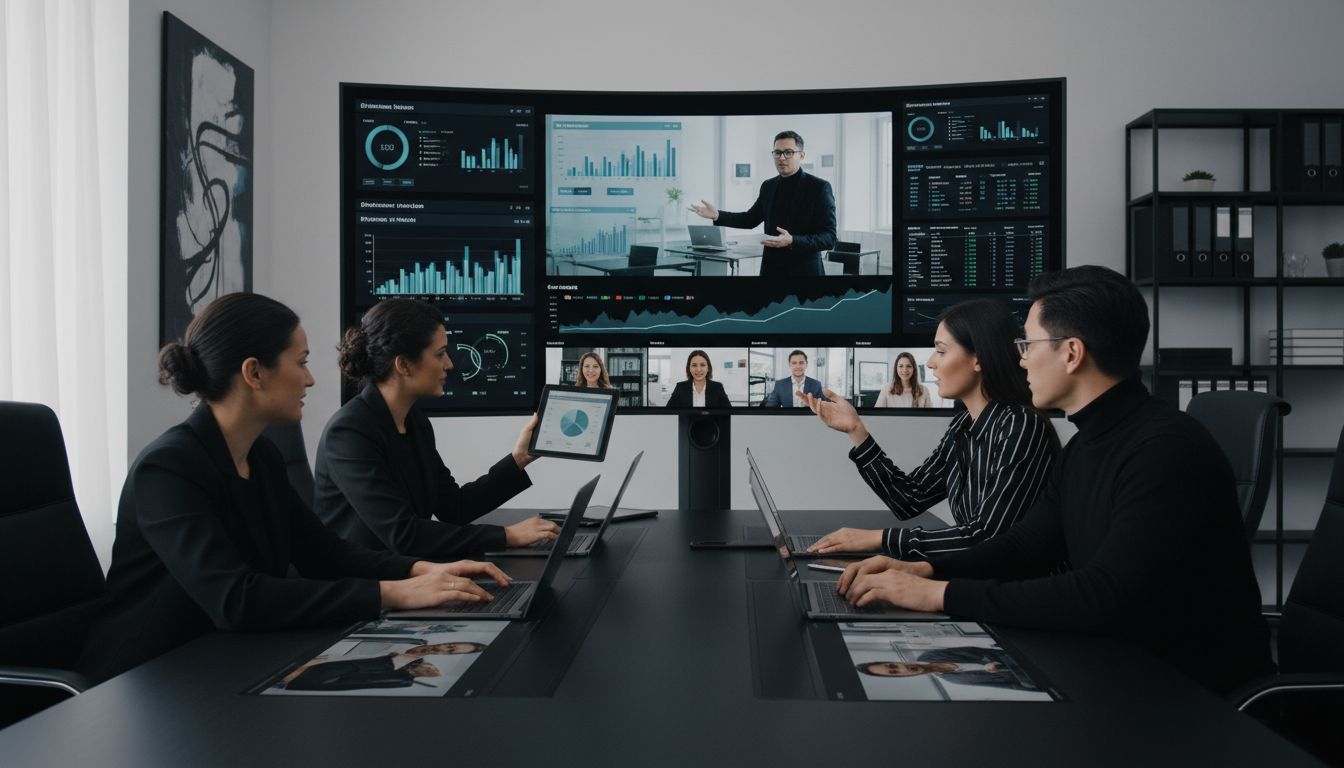
More than 80 percent of professionals now choose video reports over traditional formats for clearer communication and stronger engagement. This shift matters because information overload and remote work have made it harder for teams and audiences to connect with static documents. Video reporting combines visual storytelling with dynamic data so complex ideas become easier to share and understand, helping people at every skill level keep up with fast-changing demands.
Table of Contents
Key Takeaways
| Point | Details |
|---|---|
| Video Reporting Enhances Communication | Video reporting combines visual storytelling and data analysis, making complex information more comprehensible and engaging for various audiences. |
| Synchronous vs. Asynchronous Modes | Understanding the distinction between synchronous (real-time) and asynchronous (flexibility in timing) video reporting is crucial for optimizing team collaboration. |
| Modern Tools Offer Advanced Features | Utilizing contemporary video tools equipped with AI, advanced editing, and analytics can streamline the video creation process and improve communication efficacy. |
| Common Challenges in Video Reporting | Addressing technical issues such as audio quality, connectivity, and preparation can significantly enhance the effectiveness of video reporting efforts. |
Defining Video Reporting and Its Core Purpose
- Defining Video Reporting And Its Core Purpose
- Types Of Video Reporting: Synchronous Vs. Asynchronous
- How Async Video Reporting Works Today
- Key Features And Benefits Of Modern Video Tools
- Practical Applications For Teams And Creators
- Common Pitfalls And How To Avoid Them
Video reporting transforms traditional communication by leveraging visual storytelling and data representation through recorded video content. According to Wikipedia's Video Content Analysis, this approach involves automatic analysis to detect and determine temporal and spatial events across multiple domains.
At its core, video reporting serves as a dynamic communication method that goes beyond static text or traditional presentations. Unlike written reports, video reporting allows for nuanced visual communication, enabling professionals to convey complex information through rich multimedia experiences. The method combines visual storytelling, data visualization, and contextual explanation in a single, engaging format.
The primary purposes of video reporting include:
- Enhancing information comprehension through visual context
- Providing real-time insights and dynamic data representation
- Enabling asynchronous communication across distributed teams
- Creating more engaging and memorable knowledge transfer
Drawing insights from Data Journalism principles, video reporting represents an evolution in how we process and share information. By blending visual storytelling with data analysis, professionals can transform complex datasets into compelling narrative experiences that resonate more effectively than traditional reporting methods. This approach democratizes complex information, making it accessible and understandable for diverse audiences across different skill levels and professional backgrounds.
For those looking to dive deeper into effective video reporting strategies, check out our tutorial on creating concise video reports.
Types of Video Reporting: Synchronous vs. Asynchronous
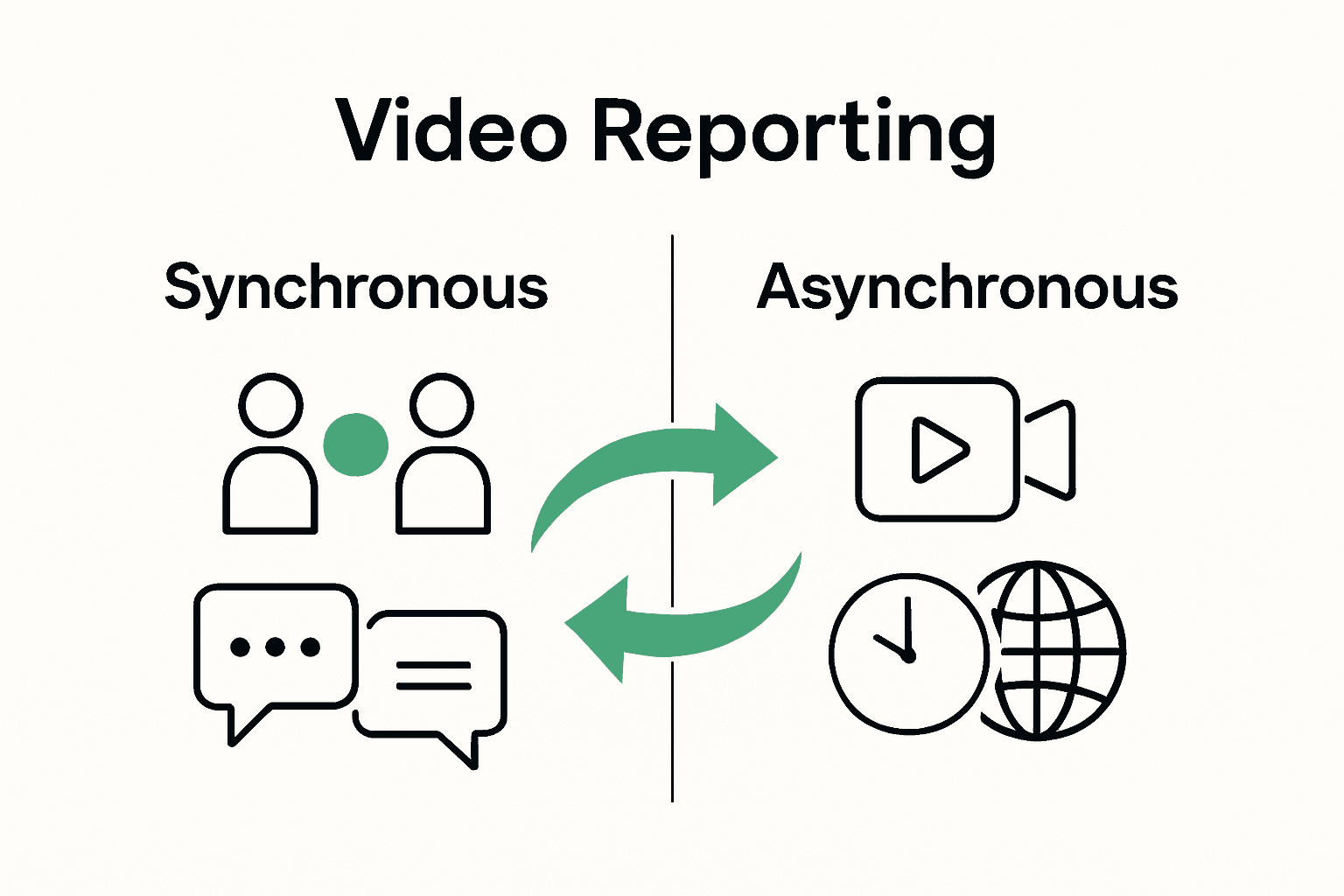
Video reporting comes in two primary communication modes: synchronous and asynchronous. According to research from Eric.ed.gov, synchronous video reporting involves real-time interactions, such as live video feeds that enable immediate feedback and simulate traditional communication environments.
Synchronous Video Reporting functions like a traditional live meeting, where participants engage in real-time communication. As noted by Lumen Learning, these interactions allow for immediate audience feedback and dynamic exchange. This format is ideal for scenarios requiring instant collaboration, quick decision-making, or complex discussions that benefit from immediate clarification.
Key characteristics of synchronous video reporting include:
- Real-time interaction and immediate feedback
- Live engagement between participants
- Spontaneous communication and discussion
- Simulated in-person meeting experience
Asynchronous Video Reporting, in contrast, provides flexibility by allowing participants to consume and respond to content at their convenience. Pre-recorded video reports enable team members across different time zones to access information without scheduling conflicts. This approach supports more thoughtful, deliberate communication and allows participants to review and process information at their own pace.
For professionals seeking to optimize their video reporting strategies, a comprehensive guide to async video communication offers deeper insights into effectively leveraging these communication methods.
How Async Video Reporting Works Today
Async video reporting has revolutionized modern communication by providing flexible, on-demand content delivery. According to Drexel University, this method enhances engagement by allowing individuals to access content at their own pace, creating a more personalized communication experience.
The core mechanism of async video reporting involves creating pre-recorded video content that can be shared, viewed, and reviewed without real-time constraints. Online Teaching Hub highlights that this approach supports diverse interaction styles by utilizing tools like recorded videos and interactive discussion platforms, enabling participants to engage with material according to their individual schedules and preferences.
Key components of modern async video reporting include:
- Cloud-based video storage and sharing platforms
- Advanced recording and editing technologies
- Integrated feedback and commenting systems
- Cross-device compatibility
- Comprehensive analytics and tracking features
Technological advancements have transformed async video reporting from simple screen recordings to sophisticated communication tools. Modern platforms now offer intelligent features like automatic transcription, language translation, and collaborative annotation, making remote communication more nuanced and efficient. These innovations allow teams, educators, and professionals to create rich, contextual video reports that transcend traditional communication barriers.

For professionals looking to leverage the latest async video communication strategies, explore the top async video features for freelancers to enhance your communication workflow.
Key Features and Benefits of Modern Video Tools
Modern video tools have transformed communication by offering sophisticated features that go far beyond simple recording capabilities. According to Stanford University, contemporary video platforms now support both asynchronous and synchronous communication, providing rich, interactive environments that enhance collaboration and knowledge sharing.
The evolution of video tools has introduced powerful features that address diverse communication needs. These tools now integrate advanced technologies like artificial intelligence, real-time translation, and intelligent editing capabilities, enabling users to create more engaging and professional video content with minimal technical expertise.
Key features of modern video tools include:
- AI-powered editing and enhancement
- Automatic transcription and captioning
- Multi-language support and instant dubbing
- Advanced collaboration and commenting systems
- Intelligent analytics and performance tracking
- Seamless cross-platform compatibility
- One-click branding and visual customization
The most sophisticated video tools now offer intelligent workflow integrations that dramatically reduce production time and complexity. By combining machine learning, user-friendly interfaces, and comprehensive feature sets, these platforms empower professionals across industries to communicate more effectively, regardless of their technical background or geographic location.
To dive deeper into optimizing your video communication strategies, learn how to understand and leverage modern video tool features.
Practical Applications for Teams and Creators
Video reporting has emerged as a versatile communication tool across diverse professional landscapes. According to Wikipedia's Virtual Collaboration research, technology-mediated communication now enables distributed teams to simulate face-to-face interactions through verbal, visual, and digital means, transforming how professionals collaborate globally.
For creative professionals, video reporting offers unprecedented flexibility in content creation and knowledge sharing. Video Essay research highlights how multimedia formats allow creators to present complex arguments and analyses dynamically, moving beyond traditional text-based communication methods.
Practical applications span multiple professional domains:
- Product demonstrations and feature walkthroughs
- Training and onboarding documentation
- Remote team progress updates
- Investor and stakeholder presentations
- Marketing and brand storytelling
- Educational content and tutorials
- Freelance project deliverables
The most innovative teams leverage video reporting to transcend geographical barriers, creating engaging, nuanced communication experiences. By combining visual storytelling, precise documentation, and asynchronous flexibility, professionals can now share complex ideas more effectively than ever before, reducing misunderstandings and enhancing overall team productivity.
For teams seeking to optimize their collaboration strategies, explore seven types of video content designed to boost team communication.
Common Pitfalls and How to Avoid Them
Video reporting presents unique challenges that can undermine communication effectiveness. According to HKU Research, interactive video applications require strict timing and low latency to function effectively, with network delays and synchronization issues being primary obstacles to seamless communication.
Technological limitations can significantly impact video reporting quality. ArXiv Research highlights the complexity of detecting and modeling asynchronous interactions, emphasizing the need for advanced methodological approaches to overcome technical barriers in video communication.
Common pitfalls in video reporting include:
- Poor audio and video quality
- Inconsistent lighting and background
- Lack of clear communication structure
- Technical connectivity issues
- Insufficient preparation and scripting
- Inadequate understanding of audience needs
- Overlooking data privacy and security considerations
To mitigate these challenges, professionals should invest in reliable recording equipment, develop clear communication strategies, and practice robust technical preparation. This involves selecting appropriate platforms, conducting pre-recording technical checks, and creating structured content that anticipates potential communication barriers. Successful video reporting requires a holistic approach that balances technical proficiency with compelling storytelling and audience engagement.
For teams looking to refine their video communication strategies, explore effective examples of AI collaboration tools to enhance your reporting approach.
Transform Your Video Reporting With Boom's AI-Powered Async Tool
The article highlights challenges around time-consuming meetings, scheduling conflicts, and the need for clear video communication using asynchronous and synchronous methods. If you find yourself struggling with poor video quality, time zone issues, or lack of engaging storytelling when sharing reports or updates, Boom offers a cutting-edge solution built exactly for these pain points. With features like AI-generated scripts, voice-to-video recording, and multilingual dubbing, Boom lets you deliver professional, on-brand video reports that your team can watch anytime without the need for live meetings.
Discover how to save hours and enhance team collaboration by embracing async video reporting powered by Boom. Explore how Boom replaces traditional tools with an AI-first experience in our landing page. Learn more strategies to create concise video reports in simple steps with our tutorial and dive deeper into async communication best practices in our complete async guide. Take control of your time and communication now at boomshare.ai.
Frequently Asked Questions
What is video reporting and what are its core purposes?
Video reporting is a dynamic communication method that utilizes visual storytelling and data representation through recorded video content. Its core purposes include enhancing information comprehension, providing real-time insights, enabling asynchronous communication, and creating engaging knowledge transfers.
What are the differences between synchronous and asynchronous video reporting?
Synchronous video reporting involves real-time interactions and immediate feedback, simulating a live meeting environment. In contrast, asynchronous video reporting allows individuals to access and respond to pre-recorded content at their own convenience, supporting more thoughtful and flexible communication.
How does asynchronous video reporting work in modern communication?
Asynchronous video reporting provides flexible, on-demand content delivery. It involves creating pre-recorded video content that can be shared and reviewed without real-time constraints, accommodating diverse interaction styles and schedules through cloud-based platforms and feedback systems.
What are the common pitfalls to avoid in video reporting?
Common pitfalls in video reporting include poor audio and video quality, lack of a clear communication structure, technical connectivity issues, and insufficient preparation. To mitigate these challenges, professionals should invest in reliable equipment, develop clear strategies, and practice thorough technical checks.
Recommended
About the Author
Birju
Senior Software Engineer.